We’d been traveling through Southeast Asia for a month when we landed in Lombok. After the chaos of traffic, beach parties, and fast-moving itineraries in other places, all we wanted was stillness.
I didn’t know where to find it. Not really. But a small message popped up on my phone from a friend who had visited Lombok the year before: “Go to Tetebatu. It’s like Ubud twenty years ago. Call Gus — he’ll show you the real deal.”
We didn’t hesitate. And that’s how our tailor made Lombok tour to Tetebatu began.
First Glimpses of the Island
Gus picked us up early from Senggigi. The sun had just begun to rise, painting the sky soft pink, and the road ahead was quiet, winding through small villages where roosters roamed freely and kids played barefoot with plastic kites.
The car ride felt less like a transfer and more like the beginning of something sacred.
Gus was warm, open, and curious. He asked what we were hoping to experience, and I said something like, “We just want peace. And nature. Something slow.”
He smiled, nodded, and said, “Tetebatu will welcome you.”
The Road to Tetebatu: More than Just a Drive
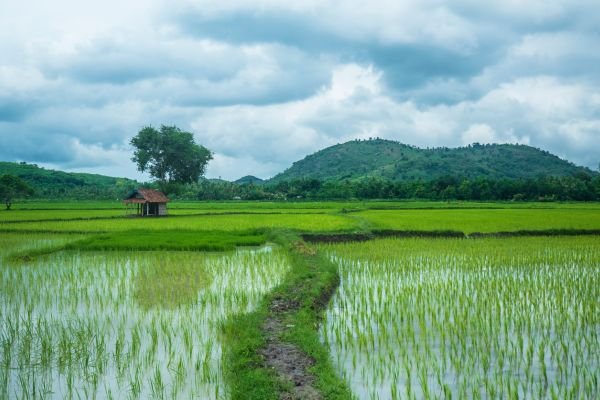
The drive alone was something special. We passed fields of corn, tobacco, and rice — some already being harvested by locals in conical hats. The closer we got to Tetebatu village, the greener everything seemed to grow. The temperature dropped just slightly, and the smell of fresh earth and burning wood filled the air.
I noticed the shift in Gus too. He seemed more relaxed here, like the island’s calm was contagious.
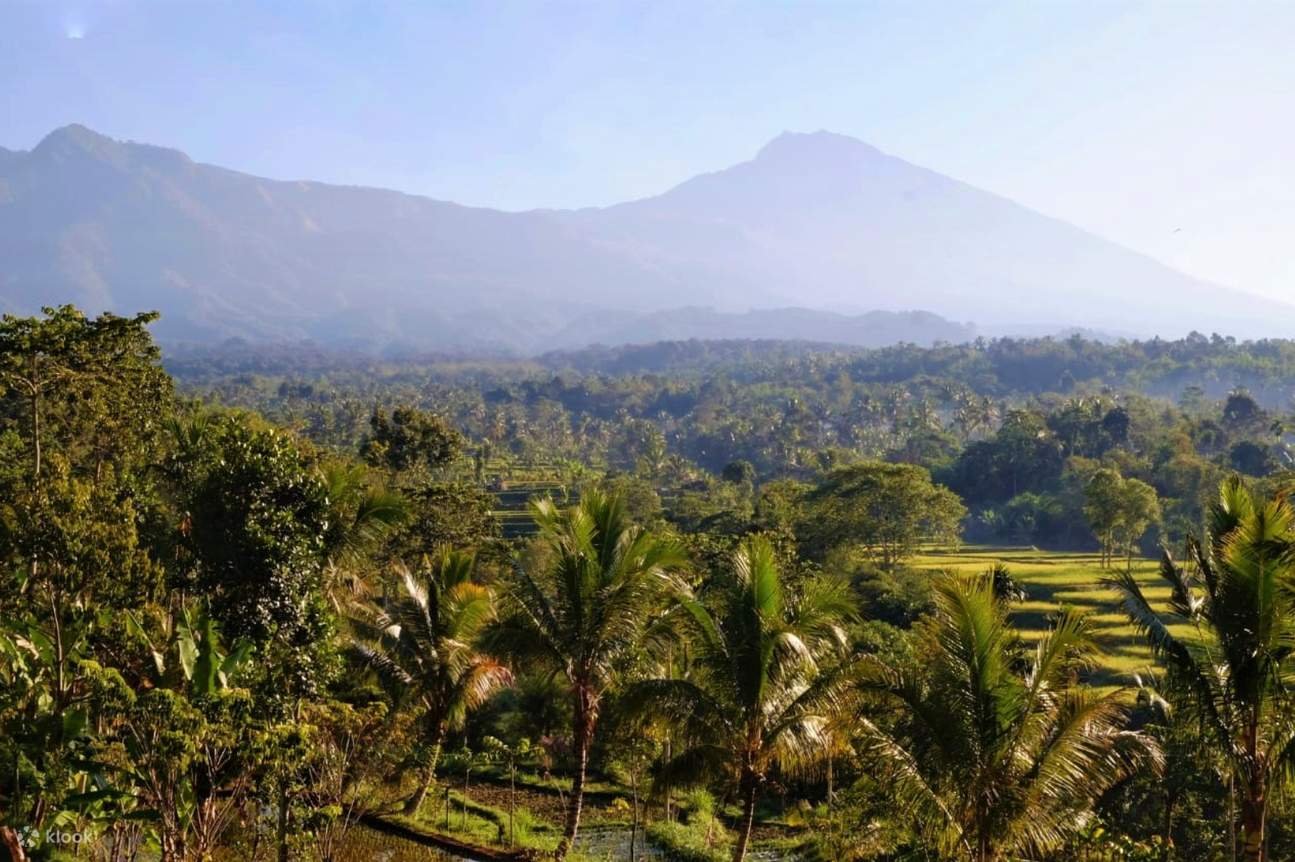
He told us that Tetebatu sits on the southern slope of Mount Rinjani, far from the tourist buzz, and that it’s one of his favorite places in Lombok. “Not many people ask for Tetebatu,” he said, “but those who do always leave with something special.”
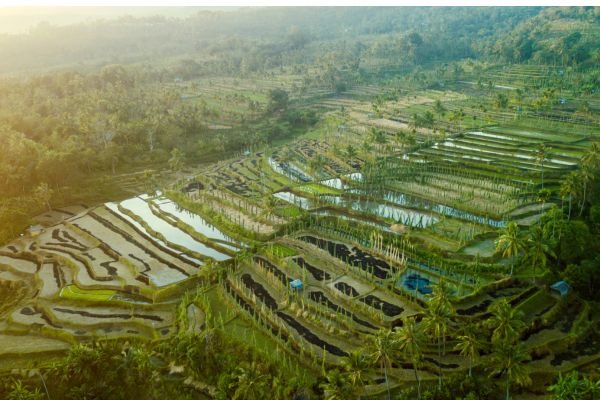
Arrival and First Walk Through the Fields
We arrived mid-morning. No signs, no gates, no large resorts. Just narrow village paths, dogs napping in the shade, and locals carrying bundles of grass on their heads.
Gus took us on a rice field walk that didn’t feel guided at all. It felt like wandering through someone’s backyard. We met a farmer who let us try harvesting rice with his sickle. We passed a woman weaving under her stilt house. She smiled, handed me a cup of warm ginger tea, and went back to work.
Every step of that walk was filled with something real — sounds of running water in the irrigation channels, distant calls to prayer, laughter of children, the soft wind brushing over the paddies.
I’ve never felt more in a place than I did that morning.
The Monkey Forest and Hidden Waterfalls
After the walk, Gus asked if we were up for something a little more “jungly.” Of course, we said yes.
A short drive and a muddy trail later, we were in a small forest known only to locals. He called it the “Tetebatu Monkey Forest,” but there were no signs, no fences, no tickets — just trees, vines, and the occasional long-tailed macaque leaping from branch to branch.
We stayed quiet, letting nature speak.
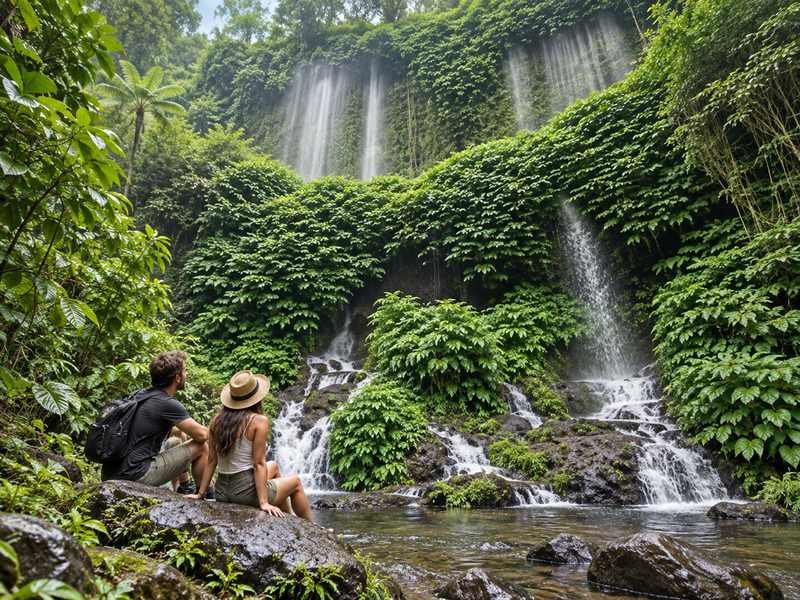
Then came the waterfalls. Small ones. Not the dramatic postcard kind, but tucked between bamboo thickets and mossy stones. We took off our shoes, rolled up our pants, and waded into the cool water. I lay back on a flat rock, eyes closed, and thought, I haven’t felt this kind of peace in years.
This wasn’t a tour stop. It was a moment gifted by the island.
Lunch with a View, Served with Heart
Gus took us to a tiny warung on the hillside for lunch. There was only one dish — local vegetables cooked with coconut, sambal, and steamed rice served on banana leaves. The owner’s daughter brought it with shy smiles and asked if we wanted more tea.
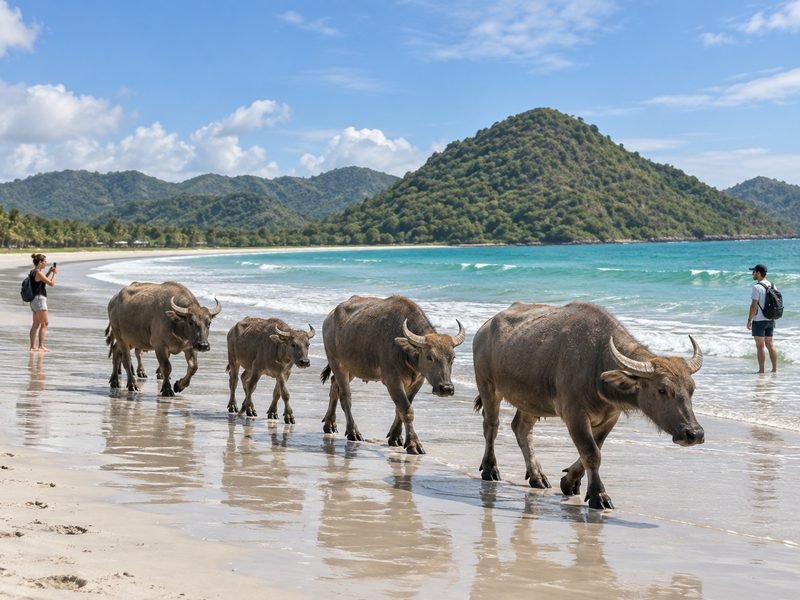
We ate while watching clouds float slowly across the valley below. A farmer passed with a water buffalo. A rooster crowed from the roof of the warung.
There was no menu. No bill. Just hospitality.
Why a Tailor Made Experience Changed Everything
I’ve booked many tours before. Group walks, city highlights, photo spots, lunch included. Efficient, structured, forgettable.
But this — this custom Tetebatu tour experience — was something else entirely.
There was no script. No rush. No pressure to do more, see more, buy more. Gus moved at our pace, read our moods, adjusted the flow. When we lingered longer at the rice terraces, he said nothing. When we slowed down during the hike, he slowed too.
It was freedom within guidance — the perfect balance.
Cultural Encounters That Weren’t Performed
Later in the afternoon, Gus introduced us to a family that makes traditional Lombok black pepper and coffee. We sat on the floor of their wooden house, watching as the father roasted coffee beans over firewood and explained the process through Gus’s gentle translation.
We tasted the strongest coffee I’ve ever had, spiced with ginger and cardamom. The grandmother sat beside us, patting my arm and smiling every time I took another sip.
They didn’t ask for tips. They didn’t sell anything. It was just… sharing.
I think this kind of moment only happens when you travel with someone like Gus — someone trusted by the community, who isn’t just bringing tourists but connecting people.
The Sunset That Sealed the Day
As the light began to shift, Gus took us to a lookout point on the edge of the village. From there, we could see all of Tetebatu — the paddies, the forest, the slow wisp of smoke from cooking fires — all backed by the mighty presence of Mount Rinjani.
The sky turned gold, then orange, then a deep purple. Birds flew home. Children’s voices echoed from far below.
I didn’t take photos. I just sat there and watched.
Reflections from the Heart
Looking back, this wasn’t just a private tour to Tetebatu in Lombok. It was a kind of return — not just to nature, but to something deeper. A reminder of how simple moments can still carry immense meaning.
Gus didn’t overwhelm us with information. He shared stories. He asked questions. He let the island speak for itself.
And Tetebatu? It whispered in the breeze, laughed in the rice fields, and sang through the trees.