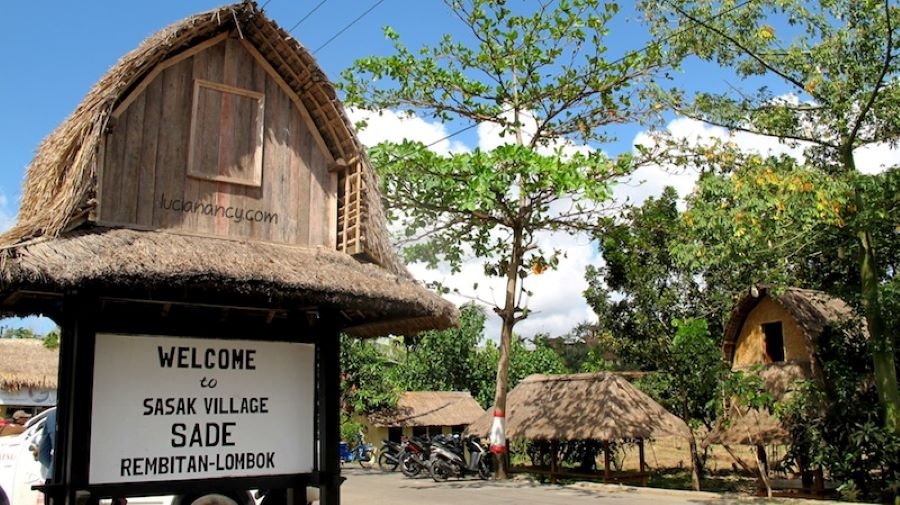
Imagine stepping into a still, sun-warmed village where time seems to move to the rhythm of weaving looms, cow dung walls are freshly whitewashed, and every house has a story older than many of the cities around you. Welcome to Village de Sade—also known as Sade Traditional Village—one of the most authentic windows into Lombok culture, tucked away in the heart of Central Lombok.
For anyone planning a holiday in Lombok or looking for a compelling Lombok tour package, Village de Sade is a highlight you won’t want to miss. In this article, I’ll walk you through what makes Village de Sade special, what to expect when you visit, and how it can be a transformative experience of local culture.
Where is Village de Sade & what is it?
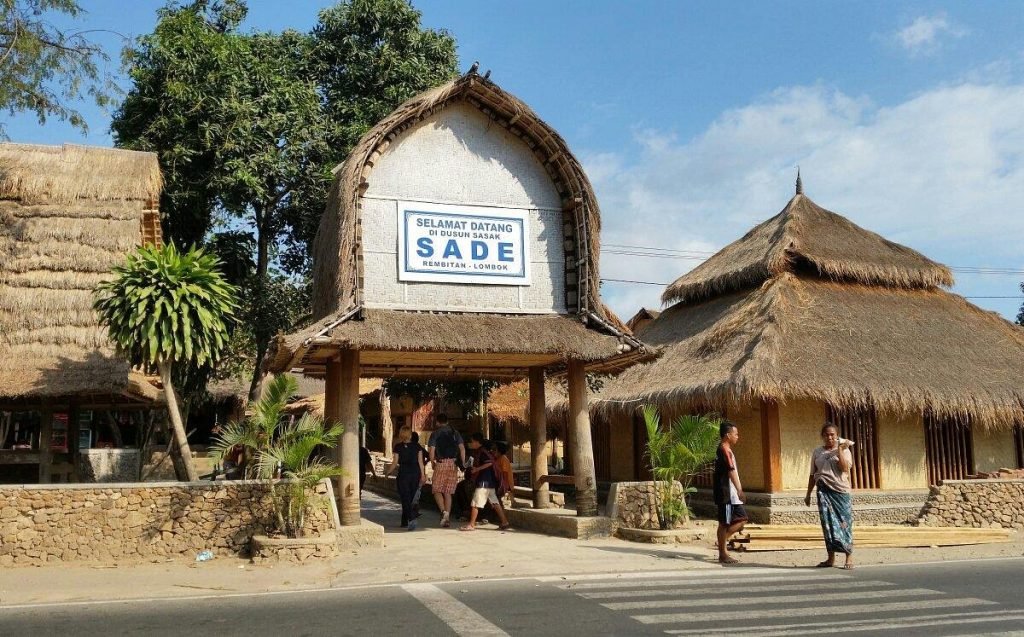
Village de Sade (or Sade Village) is located in Rembitan Village, Pujut Subdistrict, Central Lombok, in the province of West Nusa Tenggara, Indonesia. It lies between Praya and the coastal area of Kuta Lombok—making it accessible for travelers doing beach-side stays or inland cultural tours.
Sade is not a museum; it is a living Sasak community (Sasak people are the indigenous ethnic group in Lombok) that has preserved its traditions, material culture, social norms, and architecture over generations. Roughly 700 people live there now, in about 150 traditional houses made of wood, bamboo, and thatched alang-alang roofs.
What makes Village de Sade unique?
When you visit Village de Sade, you’ll notice several features that go beyond your typical tourist destination. These features showcase the depth of Lombok culture, especially Sasak heritage.
- Traditional Houses & Settlement Layout
The houses are built using local materials—wood, bamboo, thatch. The walls are sometimes coated with cow manure (“whitewashed” with dung) to repel insects and help with cooling. The layout of the village, oriented in relation to sunrise/sunset and with meaningful spatial planning, is deeply rooted in Sasak cosmology and local wisdom. - Weaving & Handicraft
Village de Sade is famous for its ikat and songket weaving. Women begin learning weaving from a young age—it’s not just craft, but identity. Some weavings can take months to complete. Tourists can watch the process of spinning yarn, dyeing, and weaving, and buy beautifully crafted textiles. - Culture & Customs
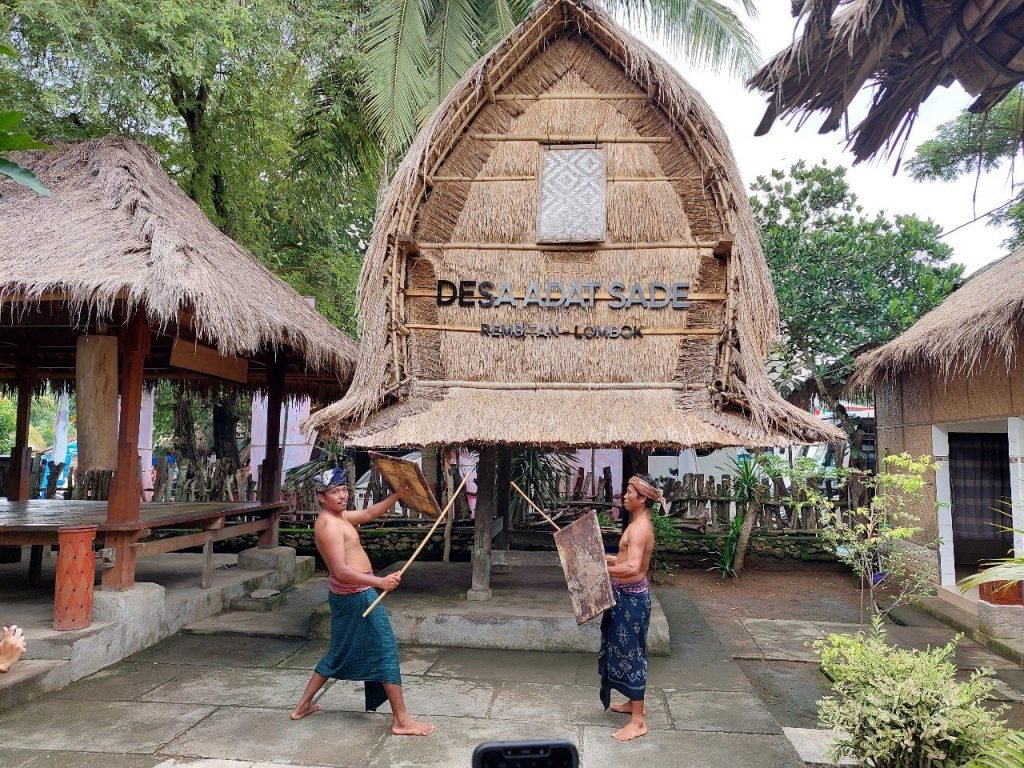
Visitors see storytelling, local guides explaining customs, taboos, family and social customs. For example, in Village de Sade, certain marriage customs are still practiced; local rituals, music, dance may be performed. The villagers maintain their Sasak language, belief systems, dress, and daily life in a way that is still grounded in tradition despite tourism. - Tourism & Sustainability
Because of its proximity to Mandalika, the airport, and popular tourist areas, Village de Sade has been included in many Lombok tour package. But what is inspiring is how the community and local government have tried to balance modern tourism with preserving authenticity, making sure traditions are not lost or commodified into caricatures.
What to expect when you visit
If you include Village de Sade in your holiday in Lombok, here’s a preview of what your experience might look like.
- Duration & Schedule: A visit usually takes about 1 to 2 hours if you simply walk through the village, observe the weaving, enter some of the homes, perhaps buy souvenirs.
- Guide & Interaction: You can hire a local guide who will show you through, tell you stories, explain the meaning of spatial layout, difference between housing types, weaving techniques, etc.
- What to see & do:
• Traditional thatched houses with distinct architecture.
• Weaving demonstrations and possibly trying a little yourself.
• Souvenir shops (textiles, beadwork, handmade items).
• Local rituals or performances (if you are lucky, you may see dance or music).
• Experience the everyday life: agriculture, cooking, household chores. - Getting there & access: Since it’s near the highway between Praya and Kuta Lombok, it is accessible by car from Mataram or from the airport. Often included in Lombok tour packages that combine cultural and beach destinations.
Why you should include Village de Sade in your Lombok tour package
If you’re planning a holiday in Lombok, here are some compelling reasons to make Village de Sade part of your itinerary.
- Authenticity: Unlike some heavily commercialized tourist spots, Village de Sade retains much of its original identity. You see how the Sasak lived centuries ago, still alive today.
- Cultural Education: Whether you’re curious about textile arts, vernacular architecture, or social customs, Sade provides a living classroom.
- Accessibility: For those with limited time, it is close enough to other popular sites, yet distinct enough to feel like you’ve traveled back in time.
- Supporting Local Community: Your visit, buying crafts directly, hiring local guides—all of this supports sustained culture, keeps weaving alive, helps preserve traditional houses.
- Balanced Experience: You don’t need to give up beach time or adventure for culture—many Lombok tour packages combine such offerings, so you can do Sade plus beaches or waterfalls.
Tips for Visiting Village de Sade
To make the most out of your visit, and to respect the community, here are some tips:
- Go in the morning if you can—cooler, more peaceful, fewer tourists.
- Wear sensible clothing—cover shoulders/legs if going into traditional houses or participating in rituals.
- Bring cash for small purchases, tips, donations. It’s common to give small contributions to support the village.
- Be respectful: ask before photographing people, follow guide’s instructions, avoid loud behavior.
- Take time to listen: storytelling, conversations with villagers often yield memorable insights.
- If possible, choose a Lombok tour package that is sustainable or supports cultural preservation.
Cultural Insights: What Village de Sade Tells Us About Lombok Culture
Village de Sade is like a mirror reflecting many aspects of Lombok culture—past and present. Here are some of the deeper things you’ll pick up.
- The importance of weaving to social identity: To the Sasak people, weaving is not just a craft or trade; mastery of weaving (especially ikat/songket) is tied to notions of womanhood, family heritage, and social value.
- Architecture reflects environment and philosophy: The materials (bamboo, wood, thatch) and construction style are well adapted to climate (heat, monsoon rains) and also express Sasak ideas about balance, harmony, respect for nature.
- Social norms and community: The village has strong customary rules, taboos, marriage traditions, family structures that are preserved. Even spatial planning of settlement has symbolic meaning.
- Continuity & change: While traditions are preserved, there is interaction with modern life—tourism, outside trade, perhaps new materials or services—but villagers are selective, holding onto what they consider essential.
Potential Challenges & Things to Be Mindful Of
While Village de Sade is largely authentic and well-preserved, there are challenges common to traditional villages that receive tourism:
- Risk of commodification: If too many visitors treat traditions only as spectacle, there is risk that culture becomes “performance” rather than lived reality.
- Infrastructure strain: Access roads, waste disposal, parking, sanitation—if visitor numbers grow too fast without planning, local quality of life may suffer.
- Cultural dilution: Younger generations may prefer modern life over maintaining customs; balancing tourism income vs cultural integrity is delicate.
It’s encouraging that local studies and tourism agencies are aware of these, and there are efforts toward sustainable tourism in Village de Sade.
Putting Village de Sade Into Your Lombok Itinerary
Here’s a sample idea of how you could include Village de Sade on a 3-day holiday in Lombok, especially if you want both culture and nature:
| Day | Activities |
|---|---|
| Day 1 | Arrival to Lombok (usually Lombok International Airport). Settle in beachside town (e.g. Kuta Lombok). Sunset, beach, surf. |
| Day 2 | Morning: Visit waterfalls like Benang Stokel / Benang Kelambu. Afternoon: Head to Village de Sade. Evening: Try local Sasak food. |
| Day 3 | Explore Mandalika area, beaches (Selong Belanak, Tanjung Aan), or go snorkeling. Evening departure or stay longer. |
Many Lombok tour packages offer exactly such combinations—nature, beach, culture—to give you breadth in your holiday.
Village de Sade is more than a tourist stop: it’s a living cultural landmark. It invites you not just to look, but to listen, to learn, to respect, and to participate, even in small ways. If you want a holiday in Lombok that feeds more than your Instagram feed—if you want stories and textures, smells of thatch and damp earth, the quiet confidence of traditions woven into daily life—then Village de Sade must be on your itinerary.
Whether you pick a ready-made Lombok tour package or plan your own route, don’t just pass by Sade. Step inside. Talk to the weavers. Sit on a bamboo floor. Exchange smiles. That is the real essence of Lombok culture.
Village de Sade will leave an imprint—one woven by threads of tradition, humanity, and time.